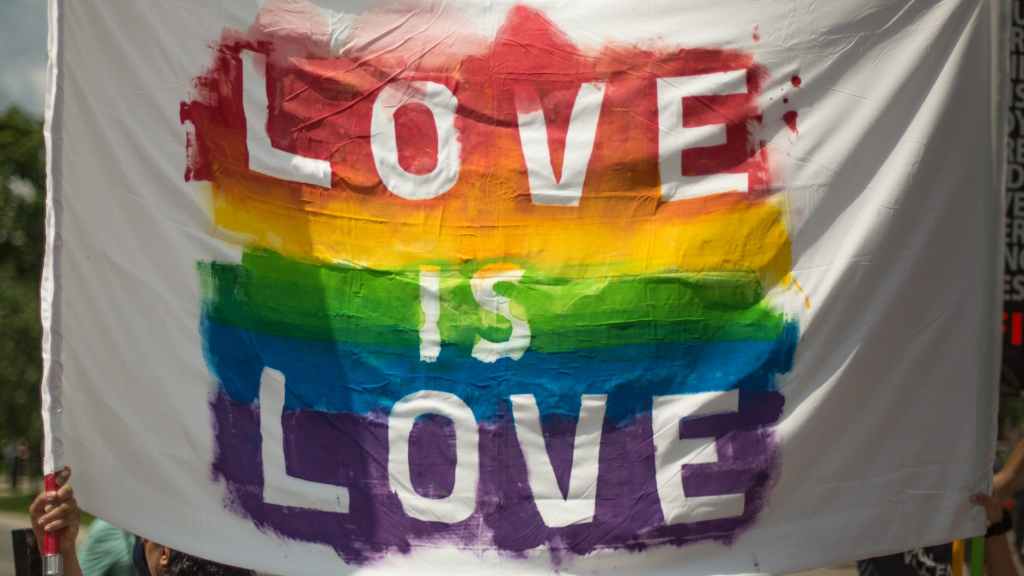
February is the UK’s LGBT+ history month and the primary aim is to help educate young people on lesbian, gay, bisexual and transgender history, as well as the history of the gay and civil rights movements. The celebration has three taglines ‘Claiming our past. Celebrating our present. Creating our future’, with the theme this year being ‘Body, Mind, Spirit’.
LGBT+ History Month originated in the UK in 2005 when educators and activists Sue Sanders and Paul Patrick organised it as part of a Schools Out UK project, a programme with the aim to educate young people about the issues members of the LGBT+ community face and to make schools feel inclusive for everyone, regardless of their gender identity or sexual orientation.
February was chose as it coincides with the 2003 abolition of Section 28 of the Local Government Act 1988. This was a piece of legislation introduced by the Conservative Government led by Margaret Thatcher. It stated that local authorities were not allowed to “intentionally promote homosexuality or publish material with the intention of promoting homosexuality”. 2003 is only 18 years ago. 18 years ago homosexuality could not be intentionally promoted in the UK.
With same-sex marriage now legal in all parts of the UK it is easy to forget how recent it was that changes have taken place and how attitudes to homosexuality were in the past.
The Correct Acronym
There is no consensus over which acronym is “correct”. Sexual orientation and gender identity is a complex topic and it is okay if you’re not sure where to start. If someone uses an unfamiliar acronym and you don’t know what it means, don’t be afraid to ask. As always, the most important thing is to be respectful and open-minded. Joking about the acronym getting as long as the alphabet is not funny, each of the letters have an important meaning.
In the 50s and 60s the term “gay community” was used before the term GLB emerged to also include lesbian and bisexual people, who felt that “gay” wasn’t inclusive of other identities. Activist organisations started using LGBT, including the T for transgender and transsexual people by the end of the 1990s. It was debated whether the “T” should be removed as it was felt that the GLB community should be restricted to sexual identity and not inclusive of gender identity. However, quite rightly so the “T” remained, especially since trans activists have long been at the forefront of the community’s fight for rights and acceptance. Take the Stonewall riots for instance, Marsha P.Johnson and Sylvia Rivera who are both trans women of colour activists were key contributors.
The acronym was then expanded to include “Q” which stands for queer or questioning, “I” which stands for intersex and “A” which stands for asexual. The most commonly used acronym is now LGBTQ+, but there is still a dislike of the word “queer” within the community because of its history as a derogatory insult against LGBT+ people. Whilst the community attempted to take the word back for themselves, there are still those that use it to insult and spread hatred. The “+” is an inclusive symbol to mean ‘and others’ to include people of all identities.
It is important to listen to members of the community and how they identify themselves. If you need a universal term and you’re outside of the community, please be respectful and include the “+” so as not to leave any members of the community out.
The Pride Flag
There are numerous flags that help different members of the LGBTQ+ community feel seen and heard. The rainbow flag is the most commonly used flag to represent the LGBTQ+ community, but different groups, genders and identities have their own flags to bring awareness to their unique needs and experiences.
Philadelphia’s People of Colour Inclusive Flag was created in 2017 and upgraded the rainbow flag to give representation to the black and brown people in the LGBTQ+ community and the unique challenges that they face. In 2018 the “Progress” Pride Flag was created by Daniel Quasar in response to Philly’s updated pride flag. It combines the colours and stripes from to Philly’s version of the pride flag and the colours of the transgender pride flag.
Other flags used within the community are the Bisexual Pride Flag, the Pansexual Pride Flag, the Lesbian Pride Flag, the Asexual Pride Flag, the Intersex Pride Flag, the Transgender Pride Flag, the Genderqueer Pride Flag, the Genderfluid Pride Flag, the Agender Pride Flag and the Non-Binary Pride Flag.
British Icons You Should Know About

Alan Turing
Though he was not a well known figure during his lifetime, today he is famous and celebrated for the crucial part he played in the victory over Nazi Germany in WW2.
He was also a victim of mid-20th Century attitudes to homosexuality and in 1952 was arrested because being homosexual was illegal in Britain at this time. Turing was pardoned for this ‘crime’ in 2013, and in 2017 the Government agreed to officially pardon men accused of ‘crimes’ like this, which means that they no longer have a criminal record. This pardoning has now come to be known as the Alan Turing law.
Turing’s face now appears on the £50 note after being named the most “iconic” figure of the 20th Century in 2019.

Allan Horsfall
Often referred to as the grandfather of the gay rights movement, Horsfall was a British gay rights campaigner and the founder of the Campaign for Homosexual Equality (CHE). He openly campaigned as a gay man when homosexuality was still illegal.
The CHE was originally the North West Homosexual Law Reform Committee and was the first campaigning organisation outside of London set up and run by gay men. Its work directly led to homosexuality no longer being illegal.
The CHE was the largest LGBT organisation there has ever been in the UK, with more than 5,000 members and over 120 local groups all over the country when it was at it biggest.
Horsfall’s crowning achievement was the CHE’s role in the removal of criminality from homosexuality.

Goronwy Rees
Although this isn’t a name many people will be familiar with, the part he played in LGBT+ history is significant. He was asked to join the Government’s committee looking into homosexual offences which led to the Wolfenden Report, which recommended that having a homosexual relationship should no longer be a criminal offence.
Rees successfully argued that the committee should take evidence directly from homosexual men, which laid the foundations for a later law which partially decriminalised male homosexuality for the first time in England and Wales
Maureen Colquhoun
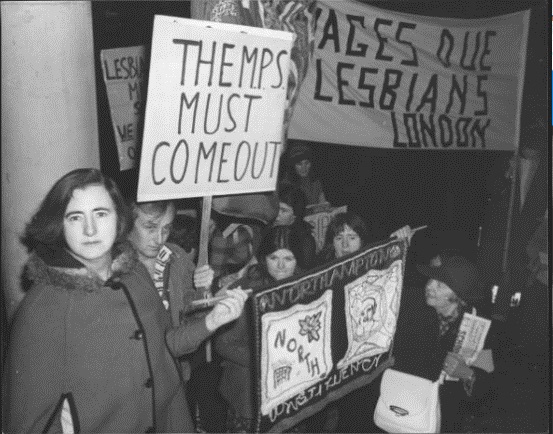
First openly lesbian MP, as well as the first openly LGBT MP. When Colquhoun was first elected she was married to a man, but in 1976 she moved in with her female partner. When a newspaper printed this information against her will, Colquhoun was deselected by her party, and although she still managed to stand in the election, she lost her seat to the Conservative candidate.

Lady Phyll
Phyll Opoku-Gyimah, better known as Lady Phyll, is a British LGBT+ rights activist and anti-racism campaigner. She is the co-founder of UK Black Pride, which was created to promote unity and co-operation among all LGBTQ+ people of African, Asian, Caribbean, Middle Eastern and Latin American descent in the UK, as well as their friends and families.
Lady Phyll is also the Executive Director of the charity Kaleidoscope Trust, which campaigns for the human rights of LGBTQ+ people in countries around the world where they are discriminated against.
Chris Smith
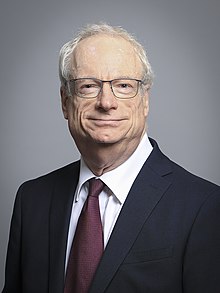
Became the UK’s first openly gay MP in 1984 and later, the first gay cabinet minister. His actions and the positive reaction he received (a five-minute standing ovation) has undoubtedly helped pave the way for many other MP’s to be open about their sexuality as well.

Justin Fashanu
Britain’s first openly gay footballer, and although 30 years have passed he remains the only male footballer to reveal his sexuality while playing professionally in the top tiers.
Fashanu stunned the football world when he told a newspaper in 1990 that he was gay. After his announcement he didn’t receive much support and suffered homophobic bullying as well as harassment from the tabloid newspapers. Fashanu was inducted into the National Football Museum’s Hall of Fame in February 2020.
Elton John
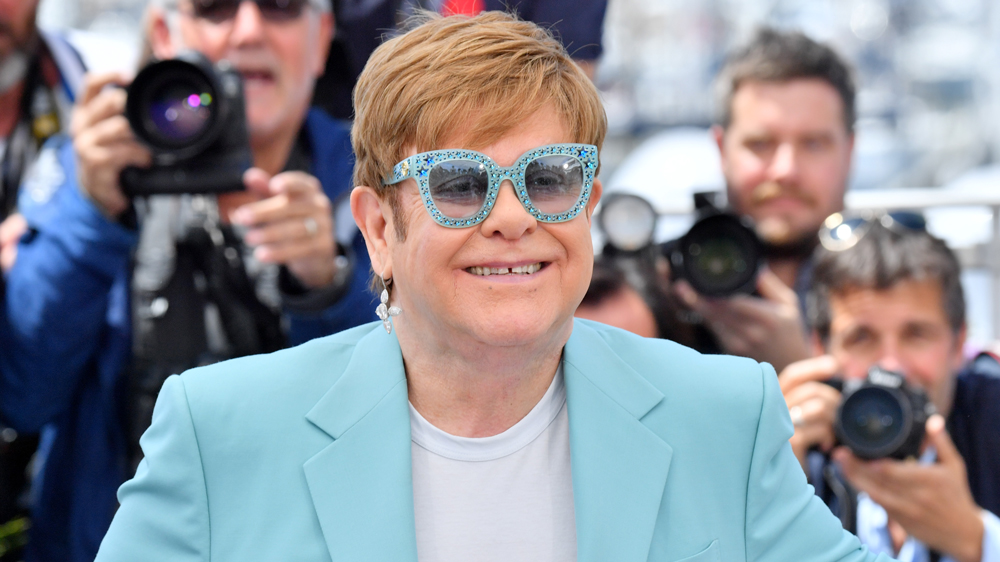
Elton came out as bisexual in a 1976 interview with music magazine Rolling Stone, and in 1992 Elton announced that he was gay.
President Emmanuel Macron called him one of the first gay artists to give a voice to the LGBT+ community. He and his partner were among the first couples in the UK to get a civil partnership in 2005, when the law changed to allow gay relationships to be legally recognised. Elton then married his partner in 2014, after gay marriage became legal in the UK.
LGBT+ History Month 2022
By next year’s LGBT+ History Month I hope that I can say conversion therapy is illegal in the UK and no one is forced to endure it. I also hope that more countries approve same-sex marriage and no longer shun people for who they love. I could list all of the discrimination that the LGBTQ+ community still face but I will leave that for another post. The important thing to note is that a lot of positive change has happened over the past 50 years and I know with the campaigns, the support and the fight from not only the community but it’s allies as well, more change will come. Allies are extremely important to the LGBTQ+ community and I for one am eternally grateful for the support that they provide and the companionship that they show. Without allies we would not be where we are in the fight to full equality.
Love is love, do not let anyone try to tell you otherwise!
 Think I Have It All Together? Guess Again